Roussillon 'French Catalonia' wine book

"Order my book on the Roussillon direct saving £4/€4 (UK & EU only) or download the Kindle eBook on Amazon UK . Buy it in the USA ...

Search WineWriting.com:

14 April 2012

One-day "wine workshops" in Belfast

The Wine Education Service and yours truly will be running these two Saturday "workshops" in May and June at the Ramada Encore Hotel in Belfast City Centre:

From Grape to Glass
Sat May 19th 2012 from 9:30 to 17:30
Introductory one-day wine course tasting about 15 wines from around the world with your tutor RMJ; detailed course notes and lunch included.

The Wines of France
Sat June 16th 2012 from 9:30 to 17:30
One-day wine tasting workshop sampling about 15 classic wines from France with your tutor RMJ; detailed course notes and lunch included.

These fun tasting days-out each cost £75 including lunch (with a glass or two of wine naturally). More info and booking @ Wine Education Service.

12 April 2012

Spain: Terras Gauda - Galicia and Castilla León

A batch of worthwhile-mentioning bottles, and the story behind them naturally, came my way recently from this, what appears to be go-getting Spanish wine group. It features three wineries stationed across northern Spain: Bodegas Terras Gauda from Rías Baixas in Galicia (the far northwestern corner bordering northern Portugal), Bodegas Pittacum in the Bierzo region (next door to the latter heading eastwards, the most north-westerly part of Castilla y León province) and Quinta Sardonia in better-known Ribera del Duero (still in Castilla y León, heading east and a little south towards the centre of Spain). Here's a hopefully enlightening smidgen of blurb on each place plus my notes/reviews of half-a-dozen of their generally tasty wines, even if occasionally a little overambitious on the oak front for the reds: more info @ terrasgauda.com.

Bodegas Terras Gauda

Established at the end of the groovy 80s, this fairly sizeable winery, in the heart of Spanish white wine country, is encompassed by 160 hectares (an expansive 400 acres) of rolling green vineyards lying in the Val do Rosal "close to the mouth of the River Miño." The guys here have apparently been doing some serious research on clones of this region's star grape variety, Albariño (also found just over the border in Portugal as Alvarinho), and indigenous yeasts (yawn, yes, but it's useful if you're trying to make good quality wine). As well as flaunting a claim to fame for resurrecting an almost lost local white variety called Caíño, which I'm informed is present in two of the wines featured below although isn't mentioned on the labels. US retail price is approx $24; they're also targeting the UK, so I'll update this with details of where and how much when I know more.

2010 La Mar Rías Baixas (Albariño & Loureiro, 12.5% alc) - much deeper golden/white colour compared to the 2011s with exotic apricot and honeysuckle aromas/flavours, rounded and quite fat/oily texture vs lightly ‘chalky’ and citrus tones to finish; shades of a 'Viognier/Riesling' mix! Drinking nicely now.
2011 Abadia de San Campo Rías Baixas (Albariño, 12.5%) - lovely ‘Sauvignon blanc/Riesling’ style-cross showing attractive citrus gooseberry and blackcurrant leaf / celery notes, intense gummy yeast-lees edges then nice crisp vs oily finish. Good.
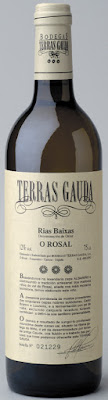
2011 O Rosal Rías Baixas (Albariño, 12.5%) - similar zesty citrus and aromatic ‘gummy’ profile vs more exotic peachy tones, more intense and concentrated too with nice oily vs crisp mouth-feel; enticing ripe apricot-tinged fruit vs zesty bite, plenty of lingering flavours and good ‘chalky/mineral length. Hints of 'Australian Riesling' with more natural crispness and intensity, delicious dry white wine.


Bodegas Pittacum

One of the pioneers of the possibly up-and-coming, and certainly very beautiful Bierzo region (I went on a trip here a couple of years ago: click here to read that feature), Pittacum is a relatively small 8-ha estate (20 acres), although cellar and vineyards are currently being expanded and upgraded. They have lots of old Mencía vines planted here, an intriguingly successful local red variety, "aged between 50 and 80 years old" according to their blurb; as well as Garnacha (Grenache) which is the base of a newly launched label called La Prohibición.

2007 Pittacum Bierzo (Mencía, 8 months in French and American oak, 14.5% alc) - toasty smoky and dark chocolate aromas layered with rich ripe black cherry fruit, dark choc texture and flavours run onto the palate with lush rounded mouth-feel; dry vs 'sweet' tannin/fruit/oak profile, powerful too with attractive developing savoury/earthy notes. Quite oaky but it does have substance and silky texture vs roasted coffee and bitter choc tones/twist. Drinking well now although should last a few years, becoming more savoury and liquorice-tinged after a day or two open vs ripe concentrated peppery fruit. Approx $24.
2007 Pittacum Aurea Bierzo (Mencía, aged 14 months in oak, 14.5% alc) - sourced from a 100+ year-old vineyard called Finca Areixola. Shows a fair coating of coconut/chocolate oak at first, moving on to a thick-textured rich wine with attractive smooth vs dry tannins; those touches of oak grain and coco/choc flavours did melt into the wine after it was open for a day, revealing more blue and black fruits, spices and a tad of fresh bite even too. Tasty with lamb meatballs actually.

Quinta Sardonia


Found in the blink-and-miss-it village of Sardón del Duero, about half-an-hour east of Valladolid, this 20 ha/45 acre estate lies "close to the banks of the River Duero (= Douro) at an altitude of 2500 to 2750 feet (750-850 metres)," which must have a moderating effect on otherwise sunny temperatures (although it's cold here in winter). They claim to have identified 11 different parcels and apply biodynamic techniques "to achieve balance between soil, climate, variety and natural environment." French winemaker Jerome Bougnaud and local resident Dane Peter Sisseck (of Pingus fame) are called upon as consultants.


2007 QS (52% Tinto Fino = Tempranillo, 26% Cabernet Sauvignon plus Merlot, Syrah, Petit Verdot, Cabernet Franc, Malbec, kitchen sink... 16 months in 50/50 new/old French oak) - punchy 15% alcohol vs lush rounded palate, layers of smoky dark chocolate oak merge with darker fruit, maturing meaty edges and earthy/peppery tones; big mouthful of wine coated with bitter choc tannins giving grippy vs rounded mouth-feel, long powerful finish suffused with lush fruit, oak and enticing savoury flavours too. Wow, quite demanding and would suit red meat or game best.

05 April 2012

France: Grand Cru Chablis

Grand Cru Chablis tasting London 2012


"Or 'more posh Chablis' if you prefer an alternative title (that link subtly goes to a piece reviewing a few tasty M&S Chablis back in December). I've selected my two or three favourites from each of the 14 producers who aired their wares at the Union des Grands Crus de Chablis showcase a few weeks ago (conjures up images of heated members' meetings and not-so-secret ballots: "...Those in favour of a one-day strike in protest against the inclement weather, raise your hands..."). This tasting was a launchpad for their 2010 vintage wines with each winery also cracking open an older vintage or two ranging from 2009 and 2008 back to a remarkable 1999, as was the case for one estate (Domaine Servin), which provided a useful comparison benchmark..."
Click here to read my full-monty report (goes to a new Burgundy page in the "more wines words" section, where you'll find more links, words and wines to/on/from Burgundy). Featuring these top estates and wineries: Servin, Pascal Bouchard, La Chablisienne, Jean Collet, Drouhin Vaudon, Nathalie & Gilles Fèvre, William Fèvre, Laroche, Long Depaquit / Albert Bichot, Viviers, Malandes, Louis Moreau, Simonnet-Febvre, Gérard Tremblay...

31 March 2012

Languedoc: Clos des Augustins, Pic Saint Loup

While browsing through my long-lost 'little red book' (it is, velvety too) recently containing a fair chunk of last year's tasting notes scribbled on the hoof, I was surprised to rediscover these wines from leading Pic Saint Loup estate Clos des Augustins, which never saw the digital light of day. Until now, that is. Augustins is owned and run by the Mézy family with son Frédéric (hence "le gamin" below meaning kid) now in charge, whose efforts have led to the vineyards becoming officially certified organic this year. He’s also been implementing some biodynamic measures to soil and vines, which have almost reached 30 ha (75 acres) in undulating surface area spreading around the wee village of Saint Mathieu de Tréviers. There are some nice pics @ closdesaugustins.com in one of those Flash slideshows that you can't copy from!

2010 Les Bambins white (Marsanne, Roussanne) - nice creamy lees-edged style vs tighter crisper palate and closing up on the finish (should be drinking well now though). Good.
2010 Joseph white (Chardonnay, Marsanne, Roussanne) - was still quite toasty when I tried it, although rich and juicy too vs more structured finish; very promising, needing 6+ months in bottle to open up.
2010 Les Bambins rosé (Cinsault, Grenache) - attractive zesty ‘Provence’ style rosé, has fair extract vs zing with long perfumed finish. Delicious quaffer.
All these reds are appellation Pic Saint Loup:
2010 Les Bambins (Syrah, Grenache, Mourvèdre) - bright cherry and spicy liquorice with subtle wild herby side, good fruit vs light grip, fairly tight finish showing nice concentration too. Good stuff.
2009 Le Gamin (Syrah, Grenache) - spicy and rustic hints with ripe dark fruit and minty edges, more savoury and firmer mouthfeel with big/long finish; wow, very good.
2006 Sourire d’Odile (Syrah, Grenache) - maturing meaty leather tones, solid concentrated palate with again minty flavours then turning more ‘sweet/savoury’, still quite tight with attractive acidity/tannins vs maturing fruit. Lovely.
2006 L’Ainé (mostly Syrah) - a touch more oak suffused with savoury notes, pretty dense and extracted yet has a lot of substance, still seems young really with those big grainy rounded tannins vs lovely depth of fruit underneath. Towards excellent.

Clos des Augustins wines featured previously on this blog: 2004 and 2003 (“Languedoc & Roussillon top wines over €10 tasting” posted 2007), 2008 (“Languedoc vintage report” posted 2009). Which confirm this winery has been "delivering" (to use marketing babble) high quality over the years and continues to do so!

29 March 2012

San Antonio, Chile: Casa Marín & Matetic Vineyards

Felipe and Maria Luz Marin
Knowing how much it amuses me to create a nice little theme, which in this case cunningly revolves around a couple of great wineries found in Chile's San Antonio Valley: Casa Marín and Matetic Vineyards. This 'cool-climate' coastal region lies to the south of the perhaps better known (or longer established at least) Casablanca Valley and (south)west of the country's lively capital Santiago.

27 March 2012

Languedoc: Château Capitoul, La Clape

2007 Les Rocailles, La Clape (60% Grenache, 30% Syrah, 10% Carignan) - fairly punchy to start, but this has a lovely big Grenache heart with light chocolate oak texture then taut solid finish. Good stuff. £12.70 (Enotria, London).

Owner / winemaker Charles Mock has been at the helm of this sensationally set property since 1983. His substantial 63 ha (150+ acres) of vineyards are found off the meandering Route de Gruissan on the wildly scented La Clape semi-island landmass, just a few kms southeast of Narbonne. Charles has slowly built up a top-notch reputation for Capitoul, as you’ll see from my notes on previous vintages/wines here (including his lovely white 'Rocailles') and probably elsewhere on this blog too (try the search box if you can be bothered). By the way, the cute pointy-towered chateau, built in the late 19th Century, is actually available as a holiday rental (the whole place if you like): more @ chateau-capitoul.com

21 March 2012

Languedoc: La Bergerie du Capucin, Pic Saint Loup

La Bergerie du Capucin 2009 Dame Jeanne, Pic Saint Loup (Grenache, Syrah, Mourvèdre) - lush blackberry aromas/flavours with a touch of chocolate, firm vs fruity vs punchy profile, attractive tannins on the finish. Tasty. £12.25 (Christopher Piper Wines, UK) or about €11 cellar door.

La Bergerie comes to 12 ha (30 acres) of vines lying around the villages of Valflaunès and Lauret thick in the beating heart of Pic Saint Loup country, found to the north of Montpellier. It's been looked after by 40 year-old winegrower/maker Guilhem Viau for many years now, who decided to actually focus and control the making of their own wines at the estate relatively recently. Guilhem says he's committed to sustainable, towards organic wine production including a number of measures put into place to conserve energy and water. This particular GSM blend is named after legendary family figure Jeanne, who took over the property more than 60 years ago, which is fitting for a winery / label that's become ever so slightly cult. They also grow a bit of Chardonnay and Viognier for their white wines (obviously, doh!).
More BdC wines here and info on the region (PSL tasting report and wild wine walking, April 2011). Photo taken from bergerieducapucin.fr.

Chile: De Martino Carmenere vertical tasting and more...

Welcome to "the dark side of my winemaking," as De Martino's winemaker Marcelo Retamal put it, tongue in cheek, as we tasted the 2007 vintage of their single-vineyard Carmenere. Fortunately for us, he didn't don the full-monty black cape and dodgy breathing apparatus and convert to the Dark Side permanently. In fact, he saw the light again and came back down the righteous sky-walk of sensible winemaking and vineyard practices.

07 March 2012

Roussillon: 'dry' Maury, hooray...

So, it comes to pass. A little bit of common sense has arguably prevailed behind the creation of a new Cotes du Roussillon Villages (CdRV) subzone for dry red wines, also called Maury. These wines will come (first ones will be vintage 2011 appearing in about a year's time) from the same appellation area (Maury, Tautavel, Saint-Paul de Fenouillet and Rasiguères) as for the already well-known Maury 'Vins Doux Naturels' (sweet fortified reds), so a big advantage on the marketing front from the start then.
In France, they'll have to put 'sec' (dry) on the label as the 'wine authorities' are needlessly paranoid that consumers won't understand the idea of a regular 'dry' red coming from this area, since the Maury VDN name is much better established over the Channel / Sleeve than in the UK, Ireland or the US, for example. This could have been one reason why this new appellation took such a long time to surface, agreeing on the name etc. as well as all the inevitable rules & regs; but I don't think they need to worry. Rasteau, in the southern Rhone Valley, did the same thing a few years ago and it wasn't a big deal: perhaps producers should leave the 'Roussillon Villages' bit on the label for the time-being so the village-area 'concept' is clearer.
Anyway, does the Roussillon, or France even, need yet another, to non-wine die-hards at least, obscure village name on the label? Well, this one has a certain logic - perhaps more so than e.g. nearby CdRV Rasiguères (will this survive given that the latter village is within the new Maury zone? Confusing or what...) - and doesn't make the same original mistake they made with straight CdRV by telling winegrowers they had to have a certain proportion of Syrah in their wine, even if they didn't have / didn't want any. This one does say you have to have a "minimum of 60% Grenache (Noir)" in the blend, which is after all THE sexy Maury grape variety, but, whoopee, no fascist diktat ordering them to include Syrah.
Nothing against Syrah, but this really does give winemakers the opportunity of crafting distinctive wines that taste a bit different from many from the Languedoc and Roussillon. Lovely rich Mediterranean / Catalan reds. Pity the regs insist on having a blend of "at least two varieties" - why not a 100% Grenache, if the winemaker is clever enough not to make something too overblown, as can happen with pure Grenache - although this does mean growers can make up the balance with good old (being the operative word around these parts) Carignan if they like. Or Syrah, I suppose...
Looking forward to trying some of the new wines next year (goes to my World Grenache Competition 2013 report on Châteauneuf-du-Pape & Roussillon, where you'll find some 2011s), or sooner from barrel / vat in the cellar hopefully. Oh, by the way, dry white Maury might well be next on the cards, which also seems like a good idea as certain wineries are already making some excellent whites from this area (currently called plain old CdR).
Sources: Vins du Roussillon and Vitisphere.com.

A fuller version of this piece (including a few "dry Maury" recommendations drawn from this blog) is viewable on Palate Press Story Bank.

28 February 2012

Pass the Bolly or "If it's the 85, you were expecting me..."

A blast from the past that amused me enough to bring your attention to it again, click on the link below:
Pass the Bolly or "If it's the 85, you were expecting me..."

27 February 2012

Languedoc: Syrah, Minervois, La Rouviole & Borie de Maurel

Léonor family lurking among barrels
I suddenly felt a little comparative theme come on when I rediscovered notes on two wines tasted last year from these almost neighbouring wineries in Minervois (well, one in Siran and t'other in Félines-Minervois a couple or so of km away). Both of them are made intriguingly from 100% Syrah, which is 'allowed' in this appellation area but not in any other one in the Languedoc (apart from IGP/vin de pays wines), as far as I can think of off the top of my head. Syrah homogenisation or style/quality statement? And does it really matter, varietal vs blended appellation wine, as long as it tastes good and has character? Mull it over and you decide...

Domaine La Rouviole 2007 Coup de Théatre, Minervois (Syrah) - 100% Syrah in fact, giving nice pure floral spicy cherry fruit; powerful extracted palate yet reasonably well-balanced with it, concentrated vs firm tight finish still for a 07. Very good although quite pricey at £16.99 (Hallgarten Druitt, UK).
DLR is found in the Minervois La Livinière subzone (although this wine isn’t labelled up / 'classified' as such) and has been owned by the Léonor family since the 1950s, who’ve restored its hillside vineyards over the years to become one of the area’s leading estates. The terrain sprawls over 40 ha in total (100 acres) including swathes of wild scrubland and olive trees as well as vines. Their wines are also available in Germany, Belgium, Canada, Poland, Switzerland, Japan, Singapore. More info @ larouviole.fr.


Domaine Borie de Maurel 2008 Sylla, Minervois (100% Syrah) - ‘reductive’ herby notes/style to start with, tight and firm mouth-feel vs concentrated and nicely textured tannins actually, still young and closed up although promising. Another dear wine though at £27.95 (Terroir Languedoc, UK).
Owned by Michel and Sylvie Escande since 1989, who were also leading lights behind the creation of the La Livinière subzone kick-started in the late 90s, and aided and abetted by son Gabriel. BDM’s 35 ha (85 acres) of vineyards lie on the 'Petit Causse' on the edges of the Montagne Noire hills, some of them up to 300m altitude (1000 feet). They opened their own on-site "bar" in 2008 serving wine by the glass or bottle (theirs naturally) with "Occitan tapas" and home-grown vegetables.
More @ boriedemaurel.fr including poetic words, if you read French, and pretty photos such as "the windmill" above. And click here for notes on the latest BdM vintages and news from Michel:
Languedoc: Minervois, red white rosé 2010 and 2011 (tasting and touring report July 2012).

03 February 2012

Bordeaux: Château Fougas, Côtes de Bourg

I 'met' the owner-growers of Ch. Fougas, Jean-Yves and Michele Bechet, across the other side of a nevertheless cosy round table (knights of Côtes de Bourg perhaps, ho ho) at lunch at the recent Millésime Bio wine show in Montpellier (Languedoc). Their 17.5 hectare (43 acre) property, "one of the oldest in the area" (as it says on their site) and lying in Lansac just inland from the town of Bourg and hence the Dordogne River (for more info on the appellation, see link to feature below), is another recent convert over to organics (not many round these parts, I don't think by the way). 2010 was their first "officially certified" organic vintage, hence it was the only one they were allowed to have on tasting at the fair. And hence, being a recent vintage red, had just been bottled in time to bring along and was a little closed up although promising I'd say:

2010 Château Fougas 'Maldoror' (75% Merlot, 25% Cabernet Sauvignon) - quite new-oaky on the nose (but was just bottled and a little awkward because of this, I think) although showing good depth of fairly dark cassis fruit; firm tight and structured palate, concentrated with attractive tannin texture. Needs a year or two to begin to blossom, very good though. www.fougas.com

And here's a snippet from a tasting & touring piece I penned on the Côtes de Bourg region following a great trip back in autumn 2009, including a nice note on the Fougas 2005:
"Côtes de where? Not the favourite coastal or riverbank hang-out for Jean-Luc Picard's scariest enemy, but a lesser-known "Right Bank" appellation... it's surprisingly easy to get your geography in a twist on this side of the river and forget you're actually opposite Margaux..." Notes on 40 wines including these favourites: Fougas, Clos du Piat, Relais de la Poste, Coulée de Bayon, Améthyste de Génibon, Haut-Guiraud, Labadie... plus thoughts on image, tasting grapes, Malbec and wine travel tips..." And "...challenge yourself while savouring the imperial grandeur and wines of these handsome properties in Listrac-Médoc: Fourcas-Dupré, Fonréaud, Lestage, Fourcas-Hosten..." Read on here (goes to "wine words" archive)!

Bordeaux: Château Fougas, Côtes de Bourg

I've moved this post here... (just to annoy you - click again there please).

30 January 2012

Bandol: Château Tournier Guilhem

Guilhem, Henri and Genevieve Tournier’s compact and bijou property, lying not far from the cute hilltop village of La Cadière d’Azur a fair trek to the north of Bandol town, has two almost unique characteristics about it in context of the wider Bandol appellation. At six hectares (15 acres), it’s one of the smallest vineyards in an area probably better known for quite large estates (think Ch. Pibarnon at 50 ha or Dom. Tempier at 30, for instance); and it’s now certified organic (from 2011). “We were one of the first to convert to organics,” Genevieve confirmed in fact as I tasted at their stand at ‘Millésime Bio’ organic wine show in Montpellier last week. There was only one other organic estate from Bandol at the show - the ultra ‘natural’ and quirky Château Sainte-Anne (see post directly below) - which got me thinking why aren’t there more in this very French Mediterranean wine region? Not a criticism - people have their reasons and many non-organic growers (or not officially certified but more or less are anyway) are sensible about what they use, how much and why (as I’ve said before, I’ve never aimed to make this blog exclusively organic; it just so happens that an increasing amount of the best ones are, or in the process of) - but a question worth asking.

I digress - back to the Tournier’s wines, which were definitely worth unearthing after deciding it seemed like a good idea to see how many organic Bandol producers were exhibiting! I’ve also just re-published a towards-huge wad of exciting material on Bandol and its kingpin variety, Mourvèdre, originally gathered and scribbled from 2003 to 2006 (I lived in nearby Marseille for two of those years, by the way): click here and here for much more info then (goes to two pages in my “wine words” archive: the former featuring 150+ wines and a few winery touring pieces / profiles, the latter a more academic article called ‘Understanding Mourvèdre’ written for Wine Business, USA).

2011 Bandol rosé (majority Mourvèdre + Cinsault and Grenache, tank sample) - attractive juicy crisp rosé in that more elegant and mineral style, although has a bit of weight as well, showing aromatic citrus fruit with floral rose petal edges, nice structured bite and almost salty tangy finish.
2010 Bandol rosé - hints of yeast-lees, fuller rounder and oilier texture with developing red fruit flavours and still has a fresher side too; good although the 2011 will be better. €15 (that's trendy Bandol for you...)
2008 Bandol rouge (85% Mourvèdre) - light touches of coconut oak aromas and grainy texture, concentrated dark vs savoury fruit with tight grippy mouth-feel, subtle and still a little closed up vs developing meaty edges. Very good, promising too. €18
2009 Bandol rouge - meatier and more powerful with lovely rich black cherry with spicy savoury dark olive notes, firmer bigger palate with weighty finish vs attractively rounded tannins. A slightly more in-your-face vintage maybe but it’s still good stuff.

Bandol: Château Sainte-Anne

Château Sainte-Anne
from maisondesvins-bandol.com
As I mentioned in the post above, the ‘natural’ quirky Sainte-Anne style has been with us for a while: this 15 ha (37 acre) estate, lying on the northeastern side of the Bandol appellation in Sainte-Anne d’Evenos, has been farmed organically(+) for twenty years by larger than life owners Françoise and Jean-Baptiste Dutheil de la Rochere. ‘Natural’ in the sense of not much used, done or added in the vineyard and cellar - “very few treatments in the field…” and “no SO2, fining nor filtration (for red winemaking),” for example - apart from working the vines and soil, picking the grapes, fermenting them and watching over their ageing in barrels. Bit of a simplistic cliché maybe but they like to keep it nice and simple. I went to the property and interviewed Françoise back in 2004 and tasted quite a few blends and vintages of their red wines, and my memory was something like a rollercoaster road of discovery. Certain wines were very traditional and pretty awesome in that way, while one or two others were teetering on the brink or probably a little more rustic than you might like. Jean-Baptiste agreed, when I tried their latest vintages at Millésime Bio wine show in Montpellier (Languedoc) last week, that “our wines have always been a bit on the wild side.” Right on, man.

Here are my condensed notes from that aforementioned late autumn 2004 trip just to weave in a touch of background and detail, extracted from a load of other material for a paper (yawn) I was doing on Mourvèdre back in 2005/06, although I don’t imagine much has changed essentially at Ste-Anne.
Françoise told me she believes “the microclimate here comes from the usually cool nights we get from the end of August, meaning we are among the latest to pick Mourvèdre (coupled with a lower risk of rot, so they can chance it more).” Her Bandol vineyards are on the higher ground facing southwest, and the lower-lying areas are classified as Côtes de Provence. A protective circle is formed by a range of hills all the way round to Le Beausset and the terraces behind the vineyard. Sainte Anne has clay/limestone soils with veins of sand underneath meaning it’s better drained, a “less heavy soil favourable to elegant reds,” as she put it. Their organic/biodynamic methodology takes in growing wild mustard grass between the vine rows and only using fertilisers from organic matter (shite). This is a “very old family property going back five generations, so there’s plenty of old vine stock,” although escat (a disease attacking and causing the wood to die) is a problem here limiting their age. They don’t use trellising since “it’s not easy to do and Mourvèdre stands up well in gobelets (bush vines) anyway!” And something mystical too about “creating magnetism…” or whatever I scribbled down followed by a double question mark??

On picking Mourvèdre at the right moment: “When it’s perfectly ripe and you squeeze the grapes, it leaves finger marks because of its thick skins,” Françoise explained. Fruit for their Cuvée Collection is usually left a day or so longer, in specific plots, for extra ripeness. “No SO2 is used for white and rosé before fermentation and usually none at all for reds.” Typical winemaking ‘techniques’, as exemplified by the very good 2001 vintage, include a relatively short period in vat of 12-13 days with one remontage (pump-over) per day. “It needs a good aeration each day but no more than that, otherwise the must becomes too extracted.” The reds are matured for about 18 months in old 50 hl foudres (very large tuns) - in fact they don’t use any new wood at all - “just for slow oxidation.” Blending is done after cask-ageing “because of Mourvèdre’s richness, I leave it pure (until then).” The S-A basic cuvée is made up of 60% Mourvèdre, 20% Grenache and 20% Cinsault. But her Cuvée Collection is typically 95-98% Mourvèdre selected by parcel (and slightly later picked) and isn’t made every year: 2003 and 2004 were looking likely at that time, none in 2002 as it was “too dilute,” 2001 and 2000 were both very good and 1999 was “unspectacular but well balanced.”

Click here to view my notes and reviews of those older vintages (goes to my mega-Bandol page in the "wine words" archive: scroll down quite a lot towards the bottom). There are more Ste-Anne wines here (Millésime Bio 2006) too.
And now, over to those ‘latest’ vintages tasted last week:
2010 Bandol white (Ugni Blanc, Clairette Verte) - oily honeyed nose and palate, quite full then becomes more mineral and elegant with crisp bite. Good. About €15.
2010 Bandol rosé (Mourvèdre, Grenache, Cinsault- quite developed with ripe raspberry fruit and rounded mouth-feel, lacks a bit of bite. Expensive too at €14.
2008 Bandol red (60% Mourvèdre) - nice ‘sweet’ black cherry with savoury black olive undertones, a hint of spice too with attractive tannins and subtle depth of fruit; 'lighter' more elegant style. €19
2005 Bandol red - developing savoury notes, richer chunkier firmer wine vs appealing maturing leather characters.
2006 Bandol Collection - more of that dark cherry fruit vs a wilder ‘animal’ side, solid gripping yet still rounded palate, it’s balanced and complex with it.

chateausteanne@free.fr, tel.: 04.94.90.35.40

RED

'Red is for wine, blood, revolution, colour... Time-warped slices of mystery, history, fantasy, crime, art, cinema and love...' Buy the e-book or paperback novel on Amazon.co.uk or Amazon.com. Click here to view the RED blog!